Blog ·
Maintaining Your Paint Protection: Simple Steps for Long-Term Results
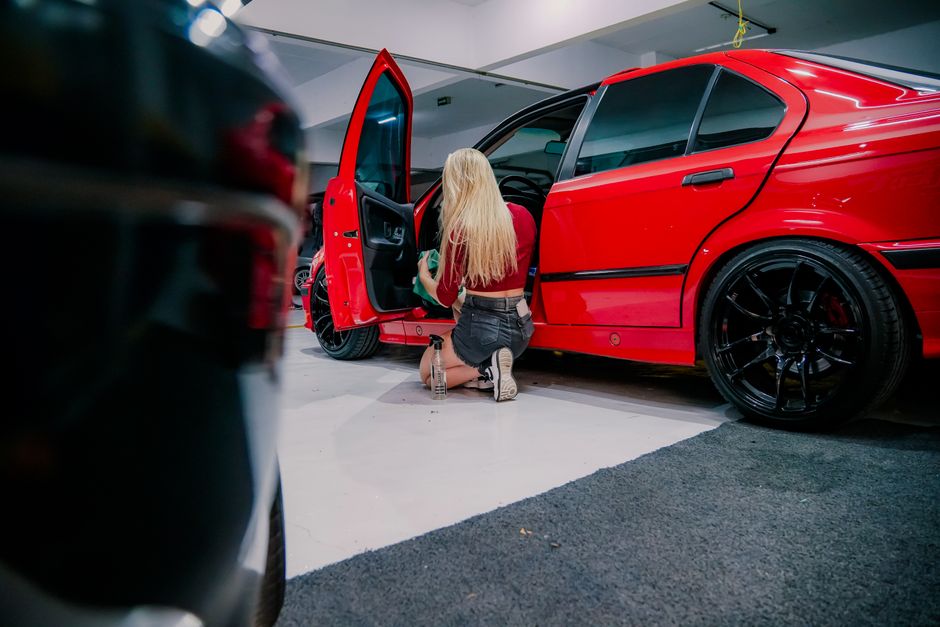
You've invested in professional paint protection for your vehicle. Now you need to maintain it properly to ensure maximum effectiveness over time. Proper maintenance preserves your protection and keeps your paint looking pristine.
Regular washing is fundamental. Wash your vehicle every two to four weeks, or more frequently if you live in harsh environments. Use a gentle, pH-balanced car wash soap specifically formulated for protected paint. These soaps won't strip protective coatings or leave residue behind. Always wash in straight lines rather than circular motions to minimize swirl marks.
Drying method matters significantly. After washing, dry your vehicle thoroughly with soft microfiber towels. This prevents water spots from forming, which can be particularly visible on ceramic coatings. Pat dry rather than rubbing to avoid introducing swirl marks into your paint. If your area has hard water, consider using deionized water for the final rinse.
Avoid harsh chemicals and abrasive materials. Many household cleaners and commercial car care products contain ingredients that can degrade protective coatings. Stay away from wax removers, harsh degreasers, and abrasive scrubs. If you need to remove stubborn contaminants, use dedicated paint cleaner formulated specifically for protected surfaces.
Minimize direct sunlight when possible. While paint protection provides UV defense, extended shade storage still reduces exposure to the elements. If you park outdoors, consider a car cover designed for your specific vehicle. Quality covers protect against UV rays, bird droppings, tree sap, and weather while allowing air circulation underneath.
Address contaminants promptly. Bird droppings, tree sap, and road tar can damage paint if left untreated. Don't delay—remove them within a few hours using appropriate products. Quick removal prevents these substances from bonding permanently to your paint or protective coating.
Inspect your protection regularly. Look for signs of damage like peeling film edges, hairline cracks, or areas where the coating may have worn through. Early detection allows for repairs before damage reaches your paint. Minor issues are easier and more cost-effective to address than extensive damage.
Avoid high-pressure washing directly on paint. High-pressure water can damage paint protection film edges or strip protective coatings. Hand washing or touchless automatic washes are safer options. If you must use pressure washing, maintain adequate distance and use lower pressure settings.
Professional maintenance occasionally supplements your regular care routine. Annual inspections by paint protection specialists can identify potential issues and ensure your protection remains fully effective. Some ceramic coatings benefit from periodic professional maintenance treatments.
Your paint protection is an investment in your vehicle's appearance and long-term value. Regular care and maintenance ensure this investment continues protecting your paint for years. Simple, consistent maintenance practices preserve your protection and keep your vehicle looking its best.